
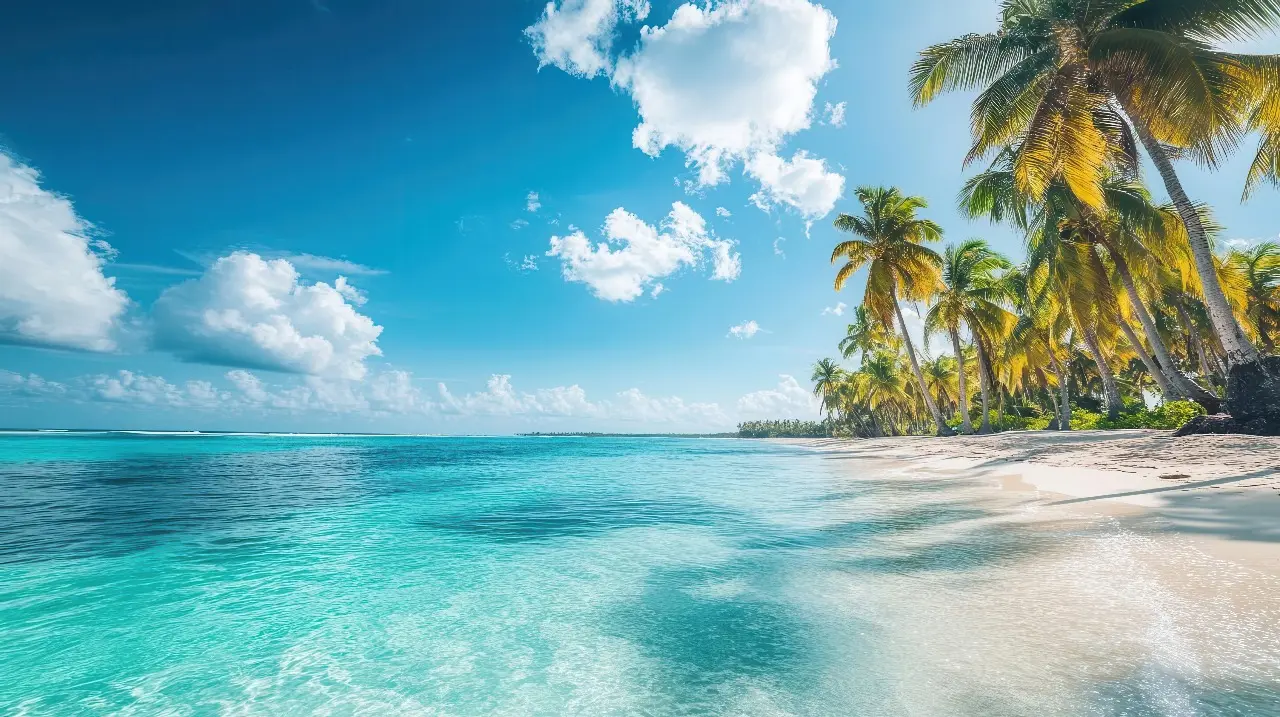
December to February offers warm summer weather perfect for beaches and hiking, while June to August provides excellent skiing conditions, both with higher prices and advance bookings essential.
March to May and September to November deliver mild temperatures, fewer tourists, spectacular autumn colors or spring blooms, and better rates on accommodations and activities.
May and October represent true shoulder seasons with fewer visitors, reasonable weather, and significant savings, though some remote attractions may have limited operations.
English is widely spoken; learning basic Māori phrases like "Kia ora" (hello), "Ka pai" (good), and "Aroha" (love) demonstrates cultural appreciation and delights locals.
New Zealand experiences a temperate maritime climate with generally mild temperatures, though conditions vary significantly across the country. The North Island enjoys subtropical weather in its upper regions, while the South Island features cooler conditions with alpine environments. Seasons are opposite to the Northern Hemisphere, with summer from December to February and winter from June to August, while rapid weather changes can bring "four seasons in one day" regardless of time of year.


380-42 Anna Building Bypass Road, Thykoodam, Vytilla, Ernakulam, Kerala India 682019
CIN : U63040KL2003PTC016185


© 2026 Intersight Holidays Pvt. Ltd. All Rights Reserved I Powered By Phitany, Web Designing Company Kerala
 Overview
 Places to visit in
New Zealand
Places to visit in
New Zealand
 Best Time to
visit
New Zealand
Best Time to
visit
New Zealand
 How to reach
New Zealand
How to reach
New Zealand